





Table of Contents
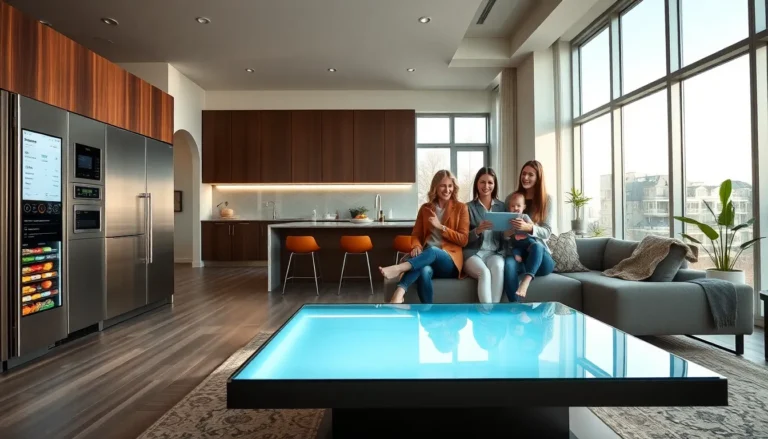
ToggleIn a world where gadgets are practically family members, smart living batteries are the unsung heroes keeping the tech family alive and kicking. Imagine your favorite devices running out of juice faster than your morning coffee. Not a pretty picture, right? Enter smart living batteries—these little powerhouses not only charge at lightning speed but also adapt to your lifestyle like a chameleon on a rainbow.
These batteries are more than just a power source; they’re like the personal trainers of the battery world, optimizing energy use and extending lifespan. Whether it’s your smartphone, smart home devices, or electric vehicles, smart living batteries ensure you stay connected without the dreaded low-battery anxiety. Get ready to embrace a future where your devices are always ready for action, and you can finally stop hoarding chargers like they’re collectible Pokémon cards.
Overview of Smart Living Batteries
Smart living batteries represent the evolution of energy storage and management in technology. These batteries feature rapid charging capabilities, which allow devices to power up quickly for immediate use. Adaptive technology enables them to learn user habits, optimizing energy consumption based on daily routines.
Different types of smart living batteries include lithium-ion and solid-state options. Lithium-ion batteries dominate portable electronics due to their lightweight and high energy density. Solid-state batteries offer increased safety and durability, making them suitable for electric vehicles and large-scale energy storage.
Smart living batteries benefit users by reducing the frequency of recharges. Many devices leverage these batteries to extend operational times significantly. Enhanced battery management systems also detect performance issues, notifying users before they face potential failures.
Environmental sustainability plays a significant role. Manufacturers design smart living batteries with longer lifespans in mind, reducing electronic waste. Recycling programs further support responsible disposal, reinforcing the commitment to eco-friendly practices.
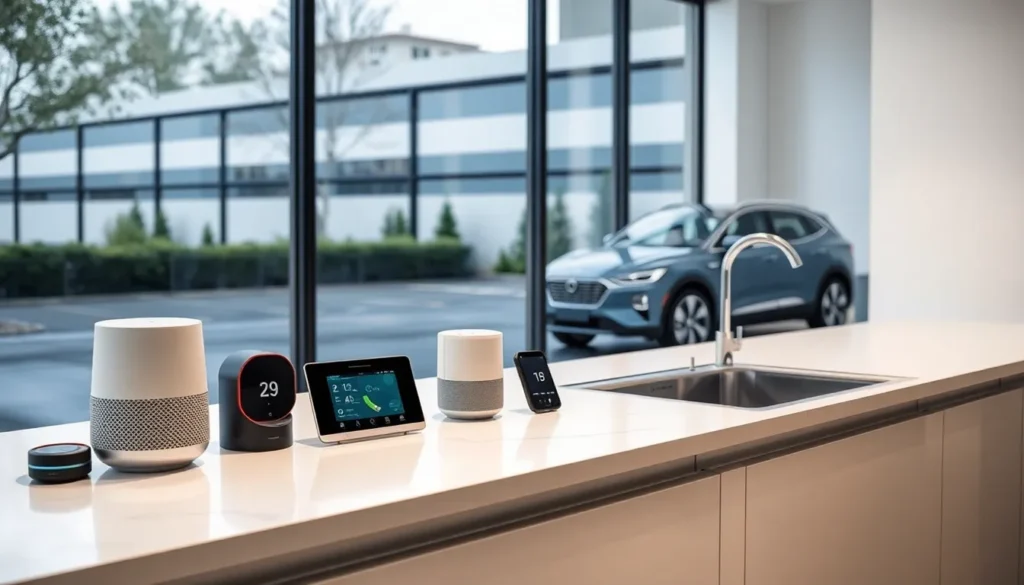
The integration of smart living batteries into various applications continues to expand. Smart home devices increasingly rely on these batteries for seamless functionality. Electric vehicles benefit from their efficiency, increasing driving ranges and reducing charging station dependency.
Future advancements promise even more benefits. Research is underway to develop batteries that charge in minutes rather than hours. This innovation could transform how people interact with devices, making power availability a non-issue. Enhanced safety features will address consumer concerns, solidifying smart living batteries as a cornerstone of modern technology.
Benefits of Smart Living Batteries
Smart living batteries offer significant advantages, enhancing user experiences and promoting sustainability. Their innovative technology results in numerous benefits.
Energy Efficiency
Adopting smart living batteries leads to improved energy efficiency. They adapt to user behavior and optimize energy consumption, reducing overall usage. Efficient energy distribution minimizes waste and prolongs battery lifespan. Fast charging capabilities allow devices to recharge quickly, keeping them powered throughout the day. Studies indicate that smart management systems can extend battery life by up to 30%. Devices equipped with these batteries also experience reduced frequency of recharges, further enhancing convenience.
Environmental Impact
Smart living batteries contribute positively to environmental sustainability. Designed for longer lifespans, these batteries help reduce electronic waste, a growing concern in today’s tech landscape. Manufacturers implement robust recycling programs to support responsible disposal and reuse. Research shows that using longer-lasting batteries decreases the environmental footprint associated with production and waste. As such, integrating smart living batteries into smart home devices and electric vehicles promotes eco-friendly practices, aligning with global sustainability goals.
Key Features of Smart Living Batteries
Smart living batteries incorporate advanced technology, enhancing energy management and user convenience. Their key features contribute significantly to the functionality of modern devices.
Smart Technology Integration
Smart living batteries utilize integrated technology to interact seamlessly with devices. They monitor energy consumption and adjust settings according to user preferences. Such adaptations enhance efficiency, ensuring devices receive optimal power. By learning usage patterns, these batteries predict when additional power is necessary, enabling proactive energy management. Manufacturers design firmware to support constant updates, enhancing performance over time. This integration allows for greater compatibility across various devices, including smartphones and electric vehicles.
Longevity and Durability
Longevity stands as a crucial aspect of smart living batteries. Designed to last longer than traditional batteries, these units can extend lifespan by up to 30%. Durability plays a significant role here, as robust materials resist wear over time. Reliable performance reduces the frequency of replacements and minimizes waste. Environmental impact decreases significantly with longer-lasting batteries, aligning with sustainability objectives. Manufacturers implement advanced management systems to monitor health, identifying potential issues before they affect performance. This proactive approach contributes to a consistent and extended usage experience.
Comparison with Traditional Batteries
Smart living batteries differ significantly from traditional batteries in several key aspects. Smart living batteries utilize advanced technology for energy management, offering rapid charging and adaptive capabilities. Traditional batteries, such as lead-acid, lack these modern features, resulting in slower charging times and less efficiency in energy usage.
Energy efficiency stands as a major advantage of smart living batteries. They enhance battery life by adapting to user habits, potentially extending lifespan by up to 30%. In contrast, traditional batteries often experience a consistent decline in performance with age, requiring more frequent replacements.
Safety also represents a crucial differentiation. Solid-state smart living batteries offer enhanced safety protocols, reducing risks associated with overheating and fire hazards. Traditional batteries, particularly older models, may pose safety concerns due to their chemical compositions and construction.
The environmental impact of these batteries further highlights their differences. Smart living batteries feature designs that minimize electronic waste through longer lifespans and recycling programs. Traditional batteries often contribute to greater ecological harm, as they require more resources for production and disposal.
In terms of applications, smart living batteries find extensive use in smartphones, smart home devices, and electric vehicles. Traditional batteries continue to serve lower-tech applications and tools, but their usage is declining in favor of smarter alternatives.
Cost also factors into the comparison. While smart living batteries may present higher upfront costs, their durability and efficiency lead to cost savings over time. Traditional batteries, often cheaper at the point of purchase, result in more frequent replacements and higher long-term costs.
Overall, the evolution towards smart living batteries marks a trend toward improved efficiency, safety, and environmental sustainability in the energy storage sector.
Future Trends in Smart Living Batteries
Innovations in smart living batteries focus on enhancing charging speeds and safety features. Researchers predict a shift towards solid-state batteries, which promise improved safety and energy density. With an increase in electric vehicle adoption, manufacturers are investing heavily in next-generation battery technologies. Charging times are expected to drop significantly, with some advancements targeting full charges in under 15 minutes.
AI integration plays a critical role in the evolution of smart living batteries. These batteries can analyze usage patterns, allowing for tailored energy management. By anticipating user needs, they provide optimal performance and energy savings. Studies suggest that batteries utilizing AI can extend lifespan by over 30% through proactive monitoring.
Sustainability remains a primary concern in battery development. Producers aim to minimize environmental impact by extending battery life and enhancing recyclability. Recent research highlights that advancements in materials can lead to a 40% reduction in electronic waste. With these improvements, smart living batteries align with broader sustainability agendas.
Applications of smart living batteries continue to expand beyond handheld devices. Smart home systems increasingly rely on advanced energy storage solutions to optimize power use. Electric vehicles also benefit from these technologies, delivering efficient performance without compromising safety.
Future trends indicate a more user-friendly approach to energy management. Battery management systems are evolving to provide real-time health diagnostics, ensuring reliable performance. Optimal efficiency in energy consumption could help reduce overall power demand significantly.
Market demands will likely dictate the pace of these advancements. As consumers prioritize sustainability and efficiency, battery manufacturers are pushed to innovate rapidly. The collaborative effort between technology developers and researchers promises an exciting future for smart living batteries.
Smart living batteries are revolutionizing the way devices operate in today’s fast-paced world. Their ability to adapt to user habits and optimize energy consumption not only enhances convenience but also promotes sustainability. As technology advances, these batteries will continue to evolve, offering even faster charging times and improved safety features.
The shift towards solid-state options and AI integration signifies a promising future where energy management is seamless and efficient. With a focus on reducing electronic waste and enhancing user experience, smart living batteries are set to become an integral part of modern technology, ensuring devices remain powered and ready for action.