






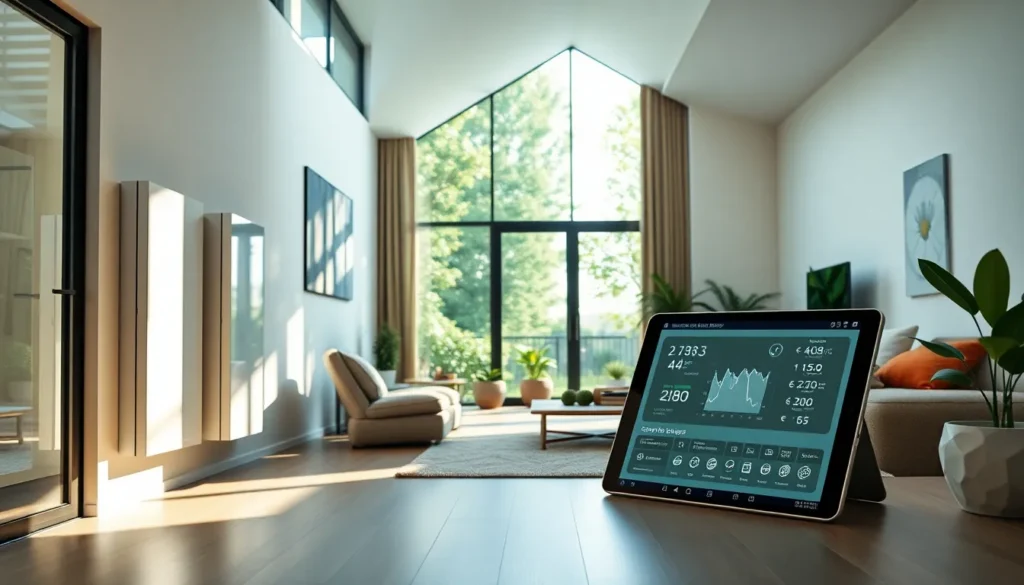
Imagine a world where your batteries not only store energy but also manage its use efficiently. Sounds futuristic, right? Welcome to the realm of smart living batteries, where innovation meets convenience. These aren’t just any batteries: they’re designed to revolutionize how we think about energy storage. Whether you’re a tech enthusiast or simply someone who wants to power their devices smarter and more sustainably, this guide sheds light on the exciting advancements and benefits of smart living batteries.
What Are Smart Living Batteries?

Smart living batteries are the next-generation energy storage systems with embedded technology that allows them to monitor, manage, and optimize energy usage. Unlike traditional batteries that merely hold energy, smart batteries analyze energy consumption patterns and adjust their output accordingly. They often incorporate features like remote monitoring, real-time data analytics, and advanced charge management which not only enhance efficiency but also prolong battery lifespan. This level of sophistication makes them crucial players in the transition toward more sustainable energy solutions.
Benefits of Smart Living Batteries
Smart living batteries come packed with numerous benefits that make them a game-changer for both consumers and businesses.
- Efficiency: They use algorithms to optimize charging and discharging processes, ensuring energy is used when it’s most effective.
- Cost Savings: By managing energy use more effectively, individuals can lower their energy bills significantly.
- Sustainability: Many smart living batteries allow for the use of renewable energy sources, thereby reducing reliance on fossil fuels.
- Convenience: With smartphone connectivity, users can monitor their battery status and energy consumption from anywhere, making energy management hassle-free.
- Longevity: Smart batteries often come equipped with features that extend their operational life, providing more value over time.
Key Technologies Behind Smart Living Batteries
Several key technologies contribute to the functionality of smart living batteries.
Battery Management Systems (BMS)
A robust BMS is crucial. This system monitors battery health and performance metrics like state of charge and temperature. With accurate data, it can prevent overcharging, optimizing battery life.
Artificial Intelligence
AI plays a pivotal role in energy management. Algorithms analyze real-time usage trends and adjust energy output dynamically, ensuring users get the energy they need without wastage.
IoT Connectivity
Internet of Things (IoT) technology allows smart batteries to communicate with other devices in a home or business. This connectivity makes it possible to devise an integrated energy management strategy, optimizing overall energy consumption.
Applications of Smart Living Batteries
The versatility of smart living batteries opens doors to various applications. They are rapidly being integrated into homes, electric vehicles, and even commercial facilities.
Residential Use
In homes, these batteries are invaluable for managing solar energy. Homeowners can store solar-generated energy for use during peak hours, reducing their dependence on the grid.
Electric Vehicles (EVs)
In the EV sector, smart batteries are essential for maximizing efficiency and range. They enable faster charging and real-time tracking of energy consumption, enhancing user experience.
Commercial Energy Solutions
Businesses are leveraging these batteries to optimize their energy usage and reduce costs. By using smart batteries for demand charge management, companies can avoid high utility rates, especially during peak periods.
Future Trends in Smart Living Batteries
As technology evolves, smart living batteries will continue to innovate.
Increased Adoption of Renewable Energy
More homes and businesses are expected to invest in renewable energy sources. Smart batteries will play a vital role in managing the intermittent nature of these energy sources.
Enhanced AI and Machine Learning
Expect more intelligent algorithms that can predict energy needs and make real-time adjustments. This will improve efficiency even further and provide smoother user experiences.
Integration with Smart Home Technologies
As smart homes become the norm, smart living batteries will seamlessly integrate with household systems, allowing for comprehensive energy management.
Development of New Materials
Innovations in battery materials could lead to lighter, more efficient batteries with longer lifespans, paralleling advancements in electric vehicle technology.
Challenges and Considerations
Even though their benefits, smart living batteries do face challenges.
Initial Costs
The upfront investment can be significant, which might deter some consumers. But, long-term savings tend to outweigh initial expenditures.
Technology Dependence
Reliance on technology could become problematic during outages. While smart batteries can manage energy, they depend on software that could be vulnerable to malfunctions or cyber threats.
Regulatory Hurdles
As with any emerging technology, regulations are still catching up. Compliance with energy standards and safety norms can pose challenges for manufacturers.