






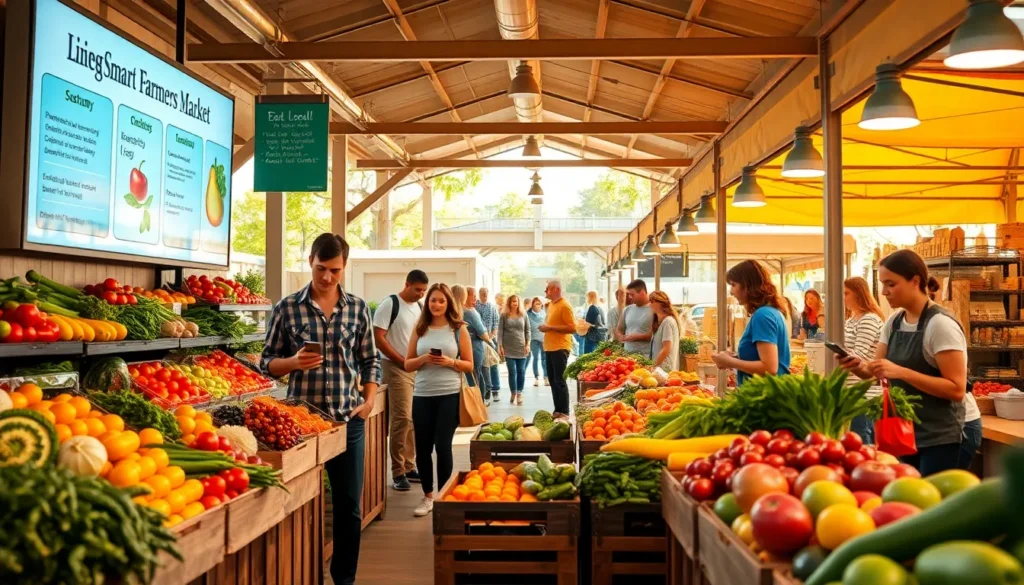
Imagine strolling through a vibrant market, the aroma of fresh produce wafting through the air as local vendors showcase their best offerings. Welcome to the Living Smart Farmers Market. More than just a place to buy fruits and veggies, this market embodies the fusion of community, sustainability, and technology. It’s a lifestyle choice for those who appreciate food that’s not only good for them but also good for the planet. But what does ‘smart’ really mean in this context? Let’s immerse and explore.
Understanding the Concept of Smart Farmers Markets
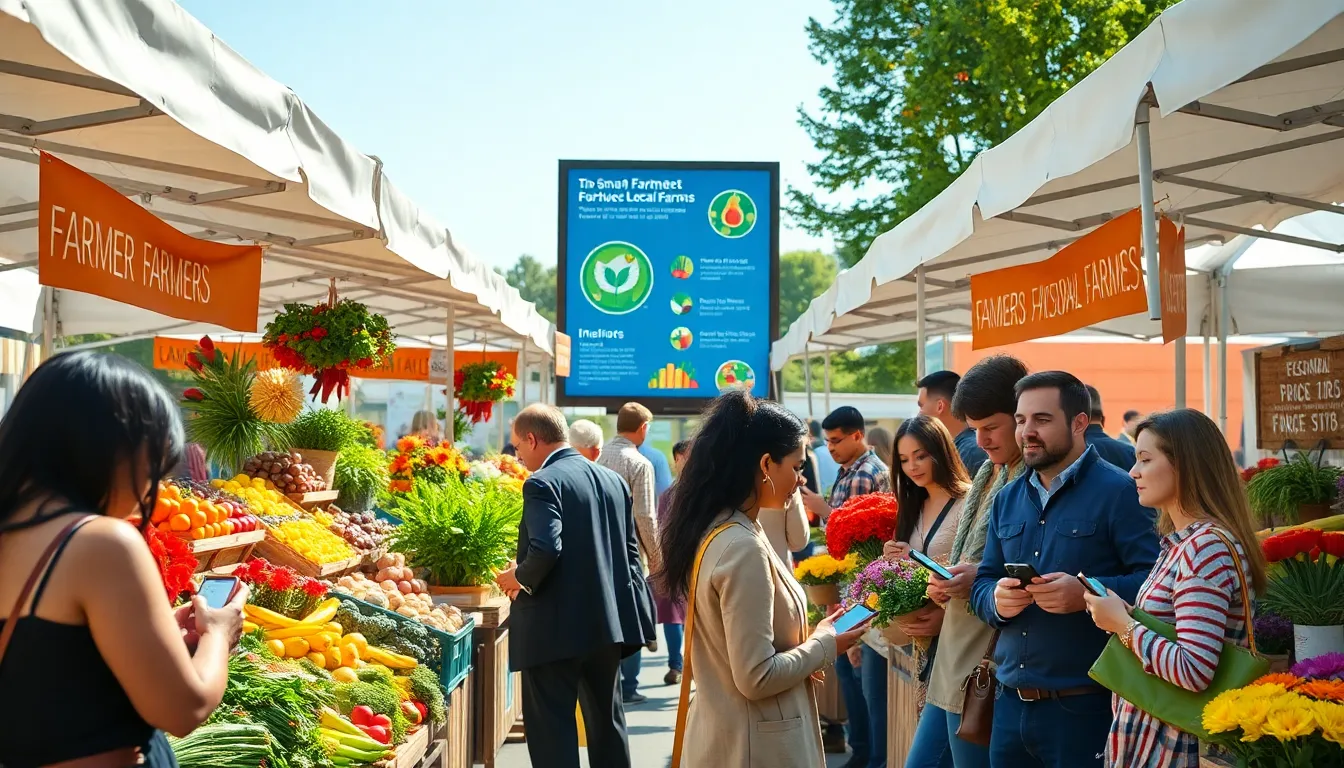
Smart farmers markets are redefining the way communities interact with food. But what sets them apart? At their core, these markets emphasize efficiency and transparency, ensuring that consumers know exactly where their food comes from.
They leverage technology to help transactions and enhance the shopping experience. Think mobile payment options that let you skip the line, or apps that provide information on what’s in season and where to find it. The result? A seamless, engaging shopping experience where every purchase supports local agriculture. It’s no longer just about fresh produce: it’s about smart choices.
The Importance of Local Sourcing
When it comes to farmers markets, local sourcing is absolutely crucial. Not only does it promote freshness, but it also helps support local economies. By purchasing produce from nearby farms, consumers reduce the carbon footprint associated with transportation, contributing to a healthier planet.
Technology Integration in Farmers Markets
Imagine being able to see which farms your food came from, all through a simple app. Many smart farmers markets are incorporating technology that allows consumers to track their purchases back to their source. This information fosters trust and creates a relationship between the consumer and the producer. As a result, it not only nourishes the body but also cultivates community ties.
Sustainable Practices and Their Benefits
Sustainability is more than a buzzword: it’s a necessity in today’s world. Smart farmers markets embrace sustainable practices to minimize waste and conserve resources. Whether it’s composting food scraps or offering reusable bags, every action counts.
Community Engagement and Education
These markets aren’t just places to shop: they’re hubs for education and community engagement. Workshops on canning, composting, and cooking demonstrations empower consumers to make informed decisions about their food. Attendees leave armed with knowledge they can apply in their daily lives, turning them into informed advocates for sustainability.
Supporting Small Farmers and Producers
One of the most significant benefits of living smart farmers markets is their focus on small farmers and local producers. In an age where large agribusinesses dominate the food landscape, these markets provide a sanctuary for family-run farms and artisanal producers.
When shoppers choose to buy from local vendors, they’re not just supporting their economy: they’re also keeping traditional farming practices alive. These small-scale operations often prioritize quality over quantity, leading to healthier, tastier options for consumers.
Planning Your Visit to a Living Smart Farmers Market
If you’re ready to experience all that a living smart farmers market has to offer, here are some helpful tips. First, check the market’s schedule and location, most markets run weekly, but times can vary. Arriving early helps you snag the best pick of the produce.
Don’t forget to bring reusable shopping bags to minimize waste. And consider going with a list: this will help you stay focused and make the most of your trip. Remember to ask questions. Vendors love to share their stories and farming practices, enriching your shopping experience.