





Table of Contents
ToggleIn a world where the planet feels like it’s giving us the side-eye, green smart living is here to save the day—one eco-friendly choice at a time. Imagine a lifestyle that not only reduces your carbon footprint but also makes you the envy of your neighbors. Who wouldn’t want to brag about their solar panels and compost bins at the next barbecue?
What Is Green Smart Living?
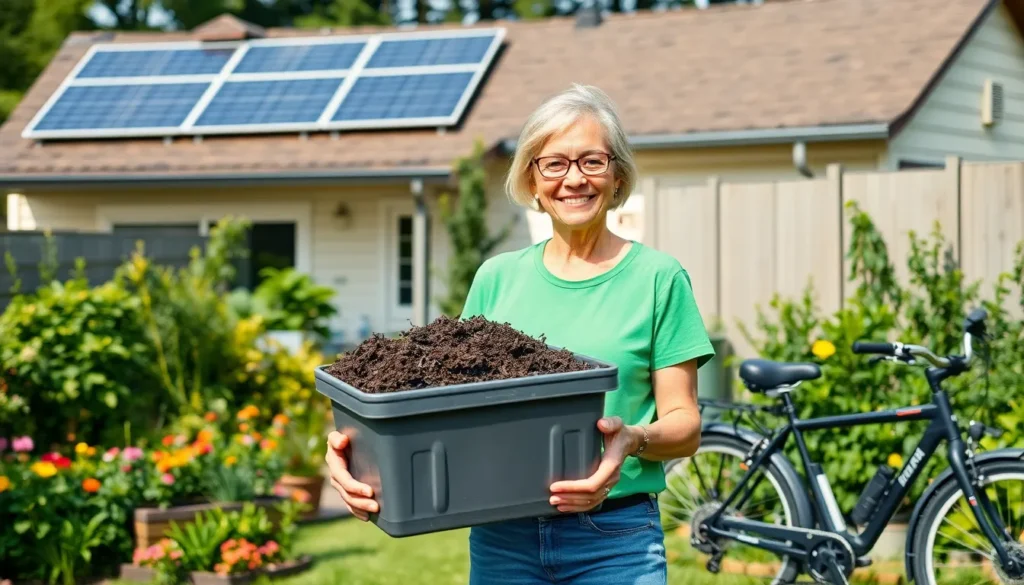
Green smart living encompasses a lifestyle that prioritizes sustainability while integrating modern technology. Individuals adopting this approach emphasize eco-friendly choices that minimize environmental impact. Utilizing solar panels significantly reduces reliance on fossil fuels, contributing to cleaner energy sources. Compost bins serve as another practical element, transforming organic waste into nutrient-rich soil, which benefits gardens and reduces landfill overflow.
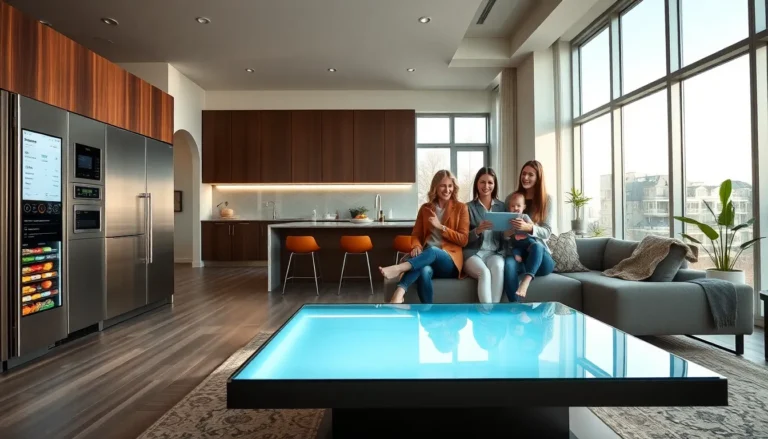
Incorporating energy-efficient appliances stands central to green smart living. These devices consume less electricity, leading to lower utility bills and a smaller carbon footprint. Smart home technologies enhance efficiency further, enabling users to control energy use from smartphones or tablets. Through smart thermostats, households achieve optimal heating and cooling, resulting in substantial energy savings over time.
Water conservation plays a critical role as well. Rainwater harvesting systems collect and store precipitation for landscape irrigation. Low-flow fixtures reduce water usage without sacrificing comfort. Many opt for drought-resistant landscaping to minimize the need for excessive watering.
Innovative transportation options also define this lifestyle. Electric vehicles decrease reliance on gasoline and reduce greenhouse gas emissions. Cycling or using public transit encourages healthier, more sustainable commuting practices.
Communities embracing green smart living often inspire others. Engaging in local recycling programs or supporting farmers’ markets fosters collaboration and promotes sustainable practices. Building a network of like-minded individuals amplifies the impact of these efforts, demonstrating that environmentally conscious living is both attainable and rewarding.
Benefits of Green Smart Living
Green smart living offers numerous advantages, emphasizing both ecological sustainability and personal improvement.
Environmental Impact
Reducing carbon footprints significantly enhances air quality. Sustainable practices, such as using solar panels, decrease dependence on fossil fuels. Composting organic waste captures greenhouse gases and enriches soil health. Implementing water conservation measures, including rainwater harvesting, promotes responsible resource usage. Communities adopting green initiatives foster biodiversity, supporting local wildlife populations. Innovative transportation methods, like electric vehicles and cycling, lessen pollution and traffic congestion. Overall, embracing these green solutions contributes to a healthier planet.
Economic Advantages
Green smart living leads to significant savings on energy bills. Energy-efficient appliances, for instance, cut energy use while maximizing performance. Lower utility costs allow individuals to reallocate funds toward other essentials. Utilizing solar energy also offers potential tax incentives and rebates, supporting financial investment in sustainability. Communities engaged in green practices often attract eco-conscious businesses, stimulating local economies. Furthermore, a focus on sustainable living can increase property values. Ultimately, adopting green smart living presents clear economic benefits alongside environmental gains.
Key Components of Green Smart Living
Green smart living incorporates essential elements that contribute to sustainability and efficiency. Emphasis on eco-friendly options remains a primary focus for individuals choosing this lifestyle.
Sustainable Energy Solutions
Solar panels represent a popular choice for generating clean energy. Using solar technology significantly reduces dependence on fossil fuels. Wind turbines also offer innovative ways to harness natural power. Implementing energy-efficient appliances cuts energy consumption and lowers utility bills. Monitoring systems track energy usage, providing insights for further efficiency. Communities increasingly adopt renewable energy sources, fostering a collective impact on local environments. Strategies like net-zero homes demonstrate how construction techniques can enhance sustainability. Ultimately, these solutions contribute to a cleaner, healthier planet.
Smart Home Technologies
Smart thermostats allow for precise temperature control, optimizing heating and cooling. Home automation systems integrate various devices, enhancing convenience and energy management. By using smart meters, individuals can monitor real-time energy consumption, leading to informed decisions. Energy-efficient lighting, like LED bulbs, offers significant savings over traditional options. Devices like smart speakers control various functions, from lighting to security. Adopting these technologies simplifies the transition to a sustainable lifestyle. Increased connectivity promotes better resource management in everyday living scenarios. Together, these innovations make homes not only smarter but also greener.
Tips for Implementing Green Smart Living
Implementing green smart living involves practical changes that enhance sustainability and efficiency. These strategies focus on energy consumption and waste reduction.
Energy Efficiency
Energy-efficient options significantly reduce utility bills and carbon footprints. Choose ENERGY STAR certified appliances, which use up to 50% less energy than standard models. Smart thermostats optimize heating and cooling by adapting to occupancy patterns, achieving noticeable energy savings. Use LED lighting as well; it consumes up to 80% less energy than traditional incandescent bulbs. Consider solar panels or wind turbines, which actively generate clean energy and empower homeowners to lessen reliance on fossil fuels. Regular maintenance of heating and cooling systems ensures they operate at peak efficiency, ultimately maximizing energy use.
Waste Reduction Strategies
Waste reduction strategies greatly benefit the environment. Start by embracing composting to recycle organic waste into nutrient-rich soil. Explore buying in bulk to reduce packaging waste and cut down on overall consumption. Implementing a recycling system at home encourages responsible disposal of materials such as plastic, glass, and paper. Also, consider repurposing items; creativity in finding new uses for old objects minimizes landfill contributions. Supporting local farmers’ markets fosters sustainable practices and reduces transportation emissions. Lastly, encourage digital solutions like e-billing and online shopping to minimize paper waste and streamline purchases.
Embracing green smart living isn’t just a trend; it’s a commitment to a sustainable future. By integrating eco-friendly practices into daily routines, individuals can significantly reduce their environmental impact while enjoying the benefits of modern technology.
This lifestyle fosters a sense of community and encourages others to join in the movement towards sustainability. As more people adopt these practices, the collective effort leads to cleaner air, reduced waste, and a healthier planet for future generations.
Ultimately, green smart living represents a powerful choice that aligns personal values with global needs, proving that small changes can lead to significant positive outcomes.