





Table of Contents
ToggleIn a world where even your toaster might have Wi-Fi, smart living products are taking center stage. These gadgets are not just about convenience; they’re about transforming everyday life into a tech-savvy adventure. Imagine controlling your lights with a voice command while lounging on the couch, or having your coffee brewed to perfection before you even roll out of bed.
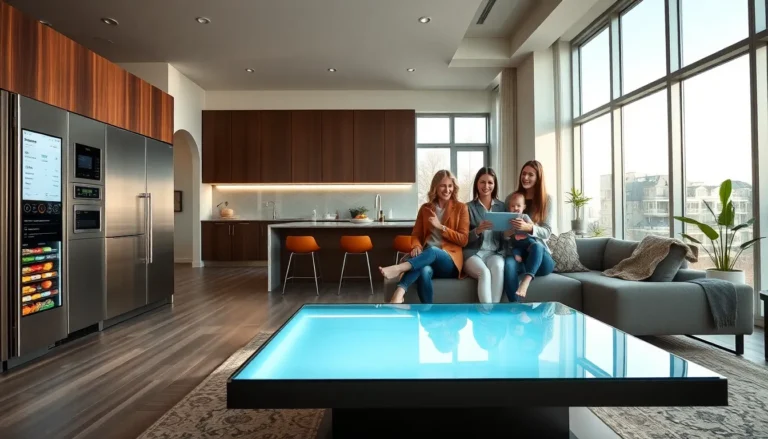
Smart living isn’t just for the tech elite anymore; it’s for anyone who wants to add a sprinkle of magic to their daily routine. From smart thermostats that save you money to fridges that remind you when you’re out of milk, these products are here to make life easier and a whole lot cooler. Dive into the world of smart living and discover how these innovative tools can turn your home into a futuristic haven.
Overview of Smart Living Products
Smart living products encompass a wide array of devices designed to enhance home life through advanced technology. Voice-controlled lights provide convenience by allowing users to adjust brightness hands-free. Smart thermostats optimize energy use, ensuring that homes maintain comfort while reducing utility costs.
Home security cameras enable homeowners to monitor their properties in real time, increasing safety and peace of mind. Smart speakers serve as central hubs, controlling various devices and providing instant information. Automated vacuums save time on cleaning tasks, allowing individuals more freedom for daily activities.
Connected appliances, such as smart refrigerators, manage inventory and send alerts about expiring food. Smart locks offer enhanced security through remote access features, granting entry without keys. Lighting systems adapt to different moods, creating an inviting atmosphere for any occasion.
Energy-efficient solutions, including smart plugs and energy monitoring systems, empower users to track and manage consumption. Entertainment systems integrate with streaming services, enhancing media experiences tailored to personal preferences. Each of these products contributes to a more streamlined and enjoyable living environment.
The accessibility of smart living products means they cater to a diverse audience. Various price points and features ensure that individuals from different backgrounds can take advantage of smart home technology. As the market continues to grow, innovations in this category promise to further transform daily living and enhance comfort.
Benefits of Smart Living Products
Smart living products deliver various advantages that enhance daily routines and living environments. They simplify tasks and offer more control over home systems.
Enhanced Convenience
Smart living products streamline everyday activities. Voice-controlled lights adjust illumination with simple commands, while automated vacuums perform cleaning without manual effort. Connected appliances allow users to manage their kitchen from any location. For example, smart refrigerators notify users when groceries run low or when expiration dates approach. Remote access enables checking home security cameras in real-time, providing peace of mind. Such functionalities cater to busy lifestyles and support multitasking, making it easier to focus on what matters most.
Improved Energy Efficiency
Energy efficiency becomes a priority with smart living products. Smart thermostats learn user preferences, optimizing heating and cooling schedules to reduce energy waste. Lights equipped with motion sensors turn off automatically when no one is present, conserving electricity. Additionally, connected appliances monitor energy consumption, offering insights that help users make informed decisions. According to the U.S. Department of Energy, homes with smart technologies can save between 10-30% on energy bills annually. These improvements contribute to sustainable living while lowering overall costs.
Top Smart Living Products on the Market
Smart living products integrate technology to elevate home experiences. Here’s a look at some of the top offerings available today.
Smart Home Assistants
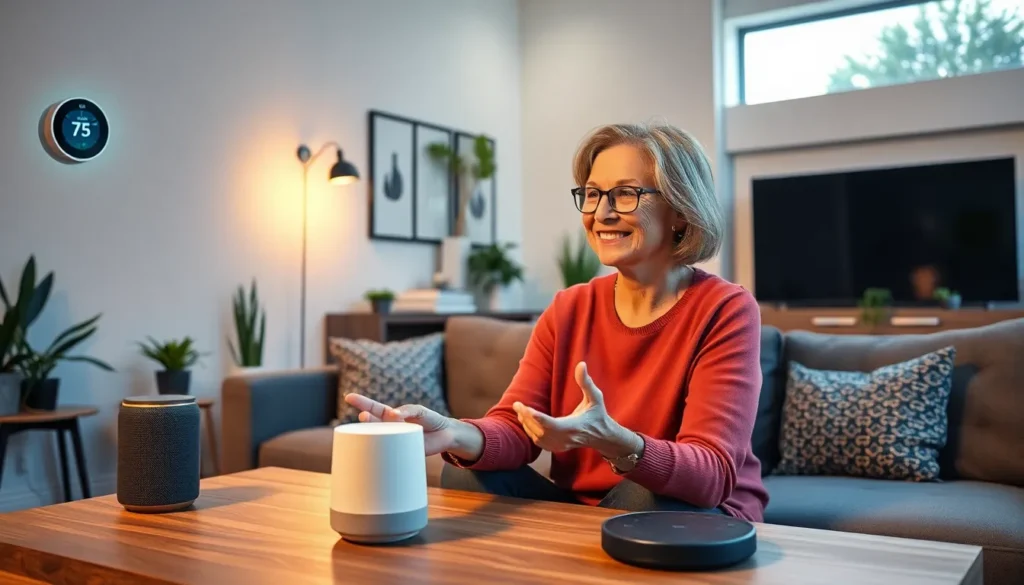
Smart home assistants streamline daily tasks through voice recognition and AI capabilities. Devices like Amazon Echo and Google Nest Hub allow users to control various smart devices, check the weather, or play music effortlessly. They serve as central hubs for managing connected appliances, enhancing organization at home. These assistants recognize commands quickly, adapting to personal preferences. Their ability to answer queries or set reminders adds a layer of convenience, making everyday routines more efficient.
Smart Thermostats
Smart thermostats optimize energy usage and enhance comfort levels in homes. Devices such as the Nest Learning Thermostat adjust temperatures based on user behavior, learning preferences over time. Users can manage settings remotely via smartphone apps, allowing for adjustments while away. These devices contribute to energy savings, boasting potential reductions of 10-15% on heating bills. Smart thermostats also provide energy reports, helping homeowners track consumption. Their compatibility with various HVAC systems makes them versatile options for many households.
Smart Lighting Solutions
Smart lighting solutions transform ambiance while offering energy savings. Systems like Philips Hue allow users to control brightness and color through apps or voice commands. Programmable schedules enable lights to turn on or off automatically, enhancing security and convenience. Adaptive lighting features adjust based on natural light, optimizing energy efficiency. Many smart bulbs integrate with home assistants, creating coordinated experiences throughout living spaces. Overall, innovative lighting solutions promote both sustainability and aesthetic appeal in modern homes.
Future Trends in Smart Living Products
Innovations in smart living products continue to evolve rapidly, shaping the future of home automation. Connectivity will expand as devices integrate seamlessly with emerging technologies. Expect advancements in artificial intelligence, enabling smart products to learn and adapt to user behaviors more effectively.
Increased focus on security will drive the development of more sophisticated smart home systems. Enhanced encryption methods and biometric access control will become standard features, ensuring greater protection against potential breaches. Additionally, improved energy management capabilities will focus on sustainability, aiming to reduce energy consumption significantly.
Adaptable environments will gain popularity, as smart living products offer personalized user experiences. Voice-activated controls and intuitive app interfaces allow users to manage multiple devices effortlessly while customizing settings based on daily routines. Automation will extend beyond simple tasks, enabling homes to respond dynamically to environmental changes, such as adjusting temperature based on occupancy.
Integration of health monitoring features into smart living products will also emerge. Wearable technology and smart home devices will work together to track fitness and wellbeing, providing users with valuable insights and improving overall health management. Smart kitchen appliances may even suggest recipes based on available ingredients, streamlining meal preparation.
Greater affordability will accompany the trend towards smart living products, making them accessible to a wider audience. As the market expands, competition among manufacturers will drive prices down, allowing more individuals to benefit from smart technology. The continual introduction of innovative products will paint a promising future for smart living, enhancing convenience and improving quality of life.
Challenges and Considerations
Smart living products present unique challenges and considerations for users. Security concerns arise from data privacy issues, as smart devices often collect sensitive information. Manufacturers must prioritize robust encryption measures and regular software updates to protect user data.
Compatibility issues with existing home systems can complicate integrations. Some devices may not work seamlessly together, limiting the overall functionality of a smart home ecosystem. Users should research compatibility before purchasing to ensure hardware and software work cohesively.
Cost represents another factor affecting adoption. While many smart living products offer long-term savings, the initial investment may deter some consumers. Price points vary widely, making it essential for individuals to evaluate their budgets and prioritize high-value devices that align with their needs.
Device reliance poses a potential issue. Over-dependence on technology may lead to disruptions in routines if devices malfunction or lose connectivity. Users need to remain proactive, regularly checking and maintaining their devices to ensure consistent performance.
User education is crucial for maximizing the benefits of these products. Many users may struggle to understand features and functionalities, hindering effective use. Manufacturers can address this by providing comprehensive guides, tutorials, and support to help users navigate their smart living products.
Environmental concerns also emerge with increased energy consumption from some devices. Although smart products improve energy efficiency, users should assess the overall environmental impact before investing. Manufacturers must focus on sustainability efforts to enhance eco-friendliness in product design.
Overall, addressing these challenges and considerations ensures that smart living products meet user expectations while enhancing everyday experiences.
Smart living products are revolutionizing the way individuals interact with their homes. By enhancing convenience and energy efficiency these innovations cater to a diverse audience seeking to simplify daily routines. As technology continues to evolve users can expect even more integrated solutions that adapt to their lifestyles.
The future of smart living holds exciting possibilities from improved security features to personalized environments that respond dynamically to user needs. While challenges such as data privacy and compatibility exist addressing these concerns will pave the way for broader adoption. Embracing smart living products not only enhances comfort but also promotes a sustainable and efficient lifestyle.