





Table of Contents
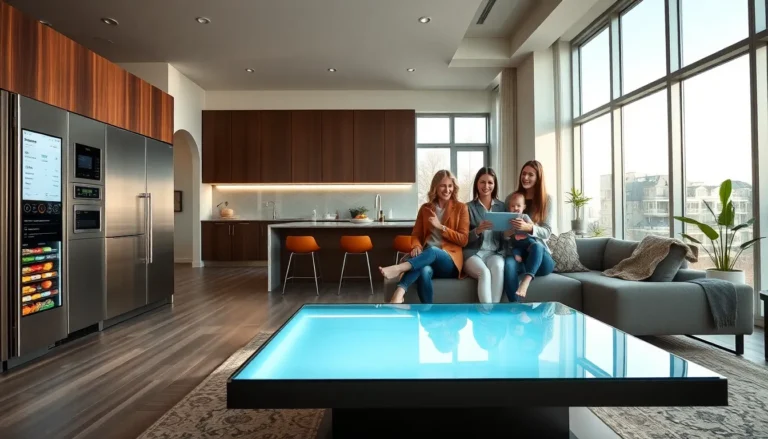
ToggleIn a world where fridges can order groceries and lights respond to your voice, smart living is no longer just a futuristic dream—it’s a reality. Technology has crept into every corner of life, transforming mundane tasks into seamless experiences. Imagine waking up to a coffee brewed by your smart machine while your thermostat adjusts to the perfect temperature, all without lifting a finger. Sounds like magic, right?
But it’s not just about convenience; smart living is about making life easier, safer, and more efficient. With the right tech, homes can become personal assistants, helping to manage everything from security to entertainment. So buckle up and get ready to explore how smart living and technology are revolutionizing the way people live—because who wouldn’t want a little more ease and a lot more fun in their daily routine?
Overview of Smart Living and Technology
Smart living combines technology and home automation to enhance daily life. Through interconnected devices, individuals manage home environments effortlessly. Examples include smart thermostats that adjust temperatures based on preferences, and smart lighting systems that optimize energy use.
Convenience ranks high among the benefits of smart living. With voice-activated assistants, homeowners control appliances hands-free. Security systems with smart cameras and alerts increase safety, allowing users to monitor homes remotely.
Efficiency in energy consumption emerges as another key advantage. Devices like smart plugs and energy monitors help track usage patterns, leading to potential cost savings. Homeowners reduce waste and promote sustainability through better energy management.
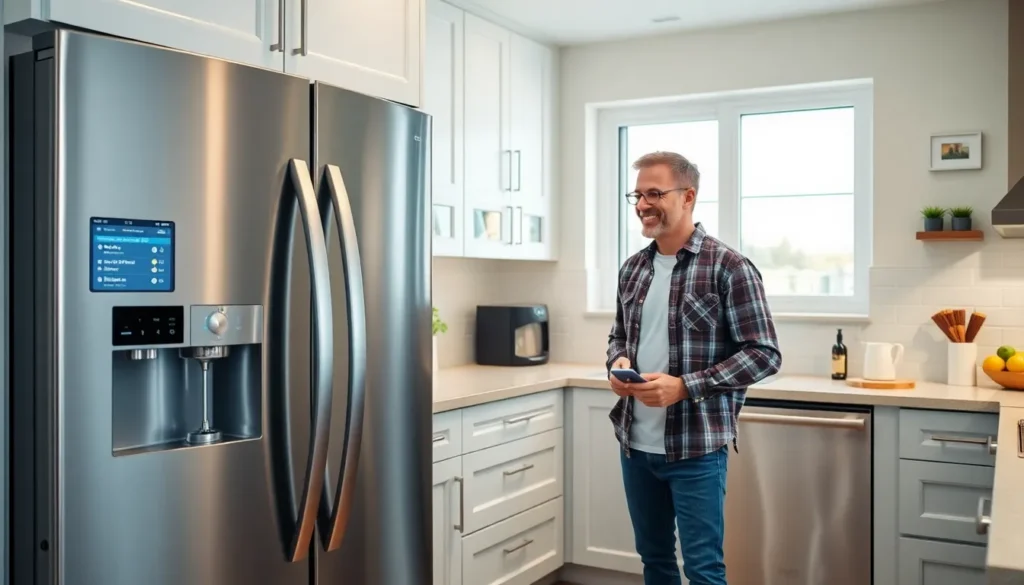
The integration of smart appliances simplifies everyday tasks. Smart refrigerators can notify users when groceries are low, while smart coffee makers brew coffee on schedule. Homes become places of comfort and ease, as mundane activities are automated.
Health and wellness applications increasingly find a place in smart living. Wearable technology tracks fitness metrics, while smart speakers can provide guided meditation sessions. These innovations encourage healthier lifestyles by making wellness engaging and accessible.
Overall, the landscape of smart living showcases how technology transforms homes. Innovations continue to evolve, enhancing convenience, security, efficiency, and health. These developments redefine how individuals experience their living spaces, transforming routines into seamless interactions with their environment.
Key Components of Smart Living
Smart living integrates technology into daily life, enhancing convenience, efficiency, and safety. Several key components contribute to this lifestyle.
Home Automation Systems
Home automation systems serve as the nucleus of smart living. These systems allow users to control various aspects of their home, including lighting, security, and climate, through a central interface. Technologies like smart thermostats adjust temperature settings automatically. Security cameras offer real-time surveillance accessible via smartphones. Voice-assisted systems facilitate seamless control of devices, creating a streamlined living experience.
Smart Appliances
Smart appliances revolutionize household tasks by providing enhanced functionality. Refrigerators can remind owners when food supplies run low. Washing machines allow remote operation, enabling laundry management from anywhere. Coffee makers can be programmed for precise brewing times, ensuring fresh coffee each morning. Such appliances not only enhance convenience but also offer energy efficiency and data tracking capabilities.
IoT Devices
IoT devices interconnect to provide a cohesive smart living experience. These devices include wearables that monitor health metrics, smart locks that enhance security, and sensors that detect environmental changes. Integration of IoT technology enables real-time data sharing, allowing for efficient management of home resources. Users benefit from tailored experiences that prioritize comfort, safety, and sustainability.
Benefits of Smart Living
Smart living enhances daily routines through the integration of technology. Numerous advantages emerge from this lifestyle, including convenience, enhanced security, and energy management.
Convenience and Efficiency
Smart devices streamline day-to-day tasks significantly. Voice-activated assistants like Amazon Echo or Google Home simplify operations by allowing users to control devices hands-free. Smart refrigerators alert users when groceries run low, helping plan shopping trips efficiently. Washing machines with remote access enable laundry management from anywhere. These conveniences save time and reduce stress, with automation handling repetitive chores. Effectively, living spaces transform into responsive environments, where technology caters to individual preferences.
Enhanced Security
Smart living brings substantial improvements in security. Security systems with smart cameras and motion sensors allow users to monitor their properties remotely. Notifications sent directly to smartphones provide real-time alerts about any unusual activity. Keyless entry systems enable secure access without traditional keys, reducing the risk of unauthorized entry. Integration with other smart devices enhances security measures; for instance, lights can simulate occupancy during vacations to deter intruders. Overall, residents experience a heightened sense of safety and peace of mind.
Energy Management
Energy management plays a pivotal role in smart living. Smart plugs and energy monitors help track consumption patterns and identify areas for improvement. Thermostats adjust automatically based on user behavior and preferences, optimizing heating and cooling efficiency. This approach leads to potential cost savings on utility bills. Additionally, users can schedule devices to run during off-peak hours, reducing strain on the electrical grid and promoting sustainability. With these advanced tools, energy conservation becomes easier, aligning with both economic and environmental goals.
Challenges of Smart Living and Technology
Smart living encompasses several challenges alongside its benefits. Addressing these issues is essential for optimizing user experience and enhancing overall effectiveness.
Privacy Concerns
Privacy remains a significant issue with smart technology. Devices often collect data, leading to potential breaches if not adequately protected. Homeowners may worry about remote access to personal information. Users encounter risks such as surveillance or unauthorized data sharing. Solutions require robust encryption and stricter data-handling policies to ensure users’ peace of mind.
Cost Implications
Cost implications can be substantial when adopting smart living technologies. Smart devices tend to have higher upfront costs compared to traditional equipment. Furthermore, ongoing subscription services for advanced features may accumulate over time. Budgeting for energy-saving devices grants potential long-term savings on utility bills. Assessing these expenses helps evaluate the overall value of smart living.
Compatibility Issues
Compatibility issues often arise when integrating various smart devices. Different manufacturers may not follow uniform standards, causing challenges for users. Some devices might not interact seamlessly, limiting functionality. Investing in a cohesive ecosystem simplifies user experience. Ensuring compatibility among devices fosters a more streamlined and efficient smart living environment.
Future Trends in Smart Living and Technology
Innovations in smart living continue to reshape daily life and enhance functionality. Two significant trends are emerging: AI and machine learning integration, along with sustainable smart solutions.
AI and Machine Learning Integration
AI systems are becoming central to the smart living ecosystem. Devices are learning user preferences, allowing for personalized experiences through continuous data analysis. Smart thermostats adapt heating and cooling schedules based on individual habits. Similarly, AI-powered security systems analyze patterns to detect unusual activities and send alerts. Machine learning algorithms optimize energy usage, leading to smarter consumption. By combining these technologies, homes become more intuitive, anticipating needs and streamlining routines.
Sustainable Smart Solutions
Sustainability is increasingly important in smart living. Smart home devices prioritize energy efficiency, leading to reduced environmental impact. For example, smart light bulbs adjust brightness based on natural light levels, conserving electricity. In addition, innovative appliances use less water and energy, promoting eco-friendly practices. Solar-powered smart systems enable homes to generate renewable energy while tracking consumption through apps. These sustainable solutions not only benefit the planet but also reduce utility costs, making them a practical choice for homeowners.
Smart living is more than just a trend; it’s a transformative approach to daily life. By seamlessly integrating technology into homes, individuals can enjoy enhanced convenience, security, and energy efficiency. The rise of AI and sustainable solutions further propels this evolution, offering personalized experiences while promoting eco-friendly practices.
As the smart living landscape continues to grow, addressing challenges like privacy and compatibility will be crucial. Embracing these innovations not only simplifies everyday tasks but also paves the way for a more sustainable future. With smart living, individuals are redefining their spaces and experiences, making life more enjoyable and efficient.